SERVICES · R&D IOT
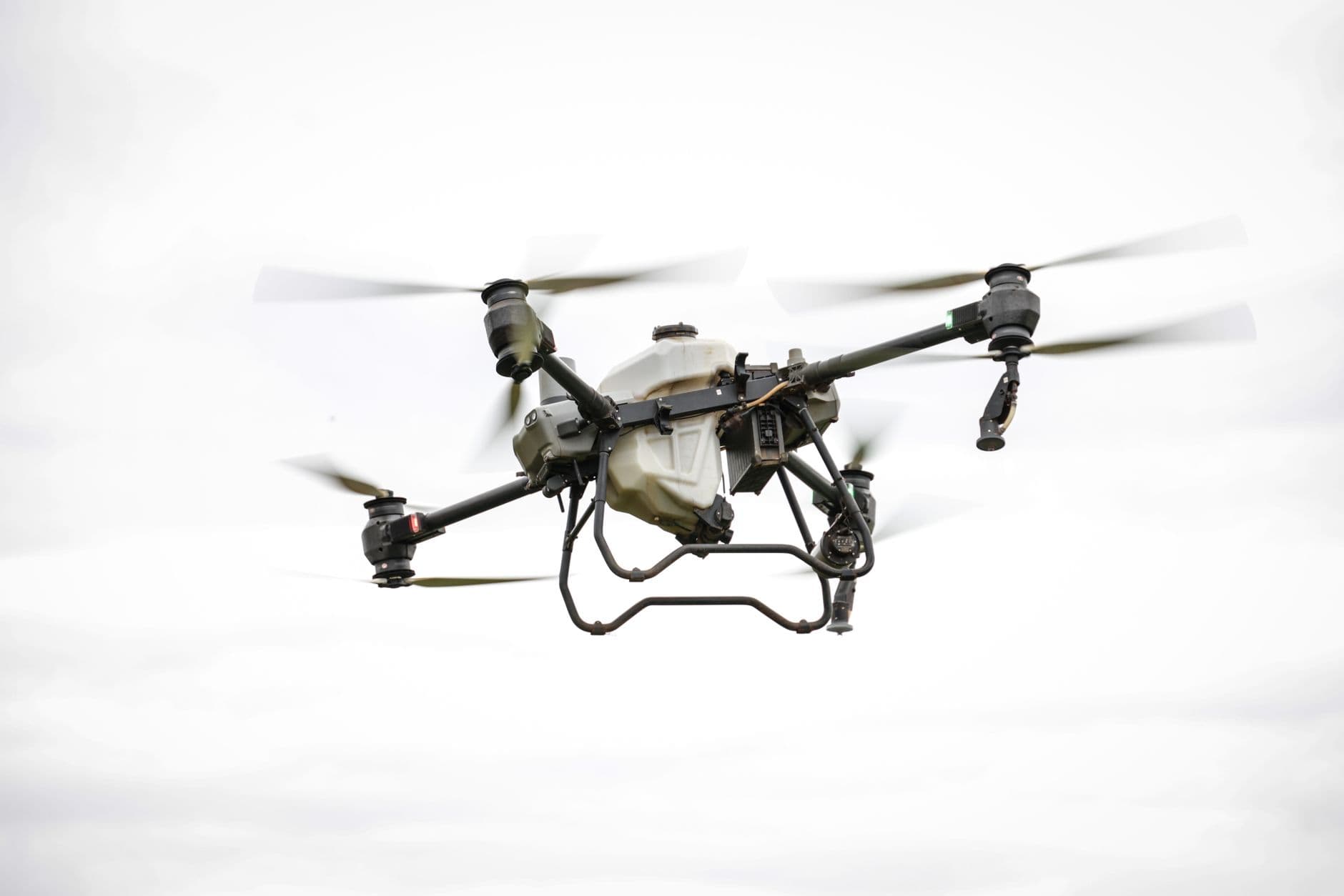
R&D IoT for Business and Government
Sensor to dashboard: device and sensor selection, connectivity, edge compute, telemetry pipelines, dashboards and alerting — piloted on a real site, then rolled out.
01
What this service is
We take an operational question that physical equipment can answer: is the pump about to fail, how much water is being used, where is the cold chain breaking? From there we build the path from a sensor reading to a decision.
That path has five parts: what to measure and with which devices, how the data travels, what happens to it at the edge, where it lands, and what a person sees. We do the research and the engineering for all five, in that order.
02
Devices and sensors
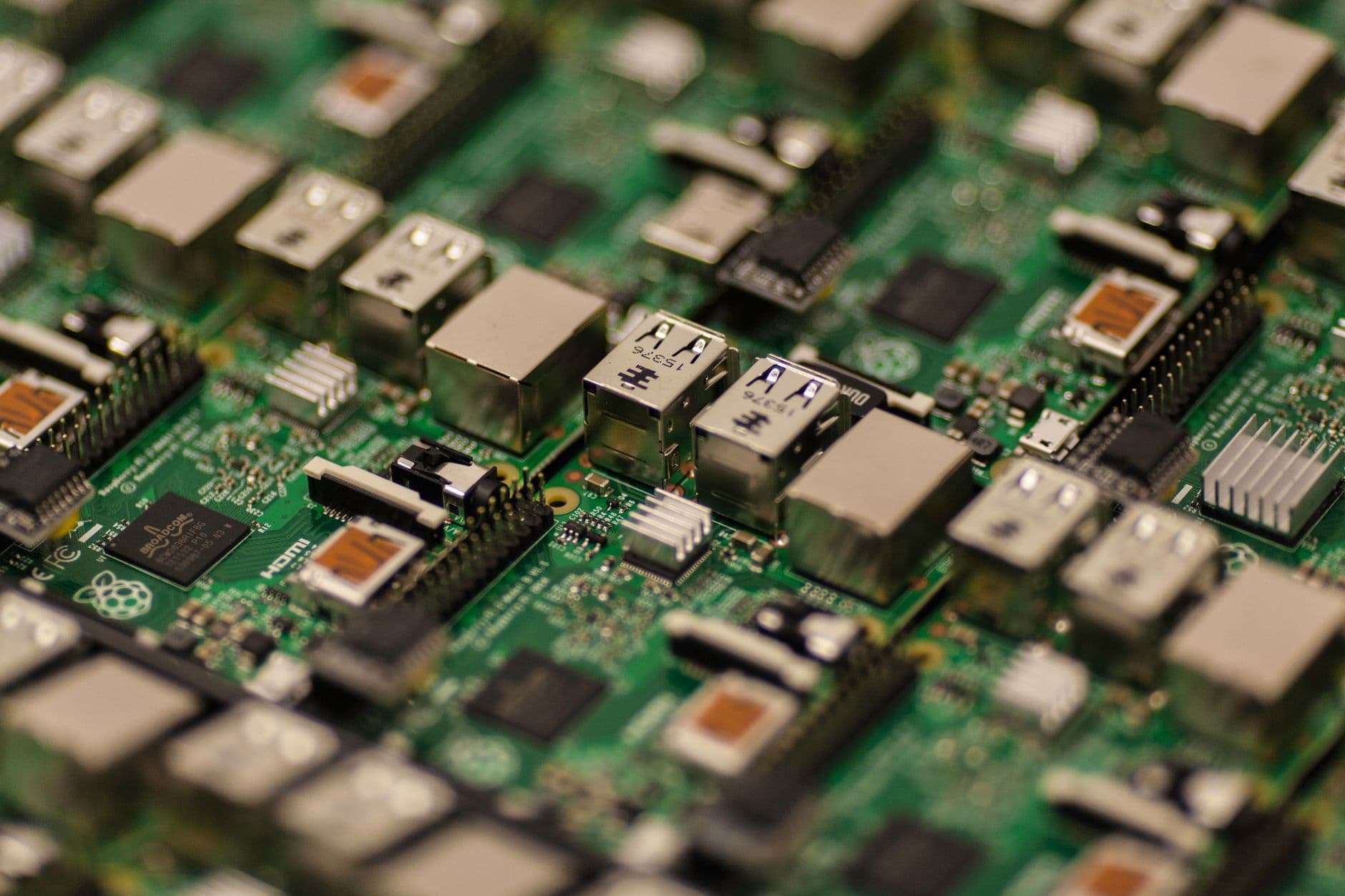
Hardware follows the measurement, the environment and the budget rather than a preferred vendor. The shortlist is drawn from what the site can actually support.
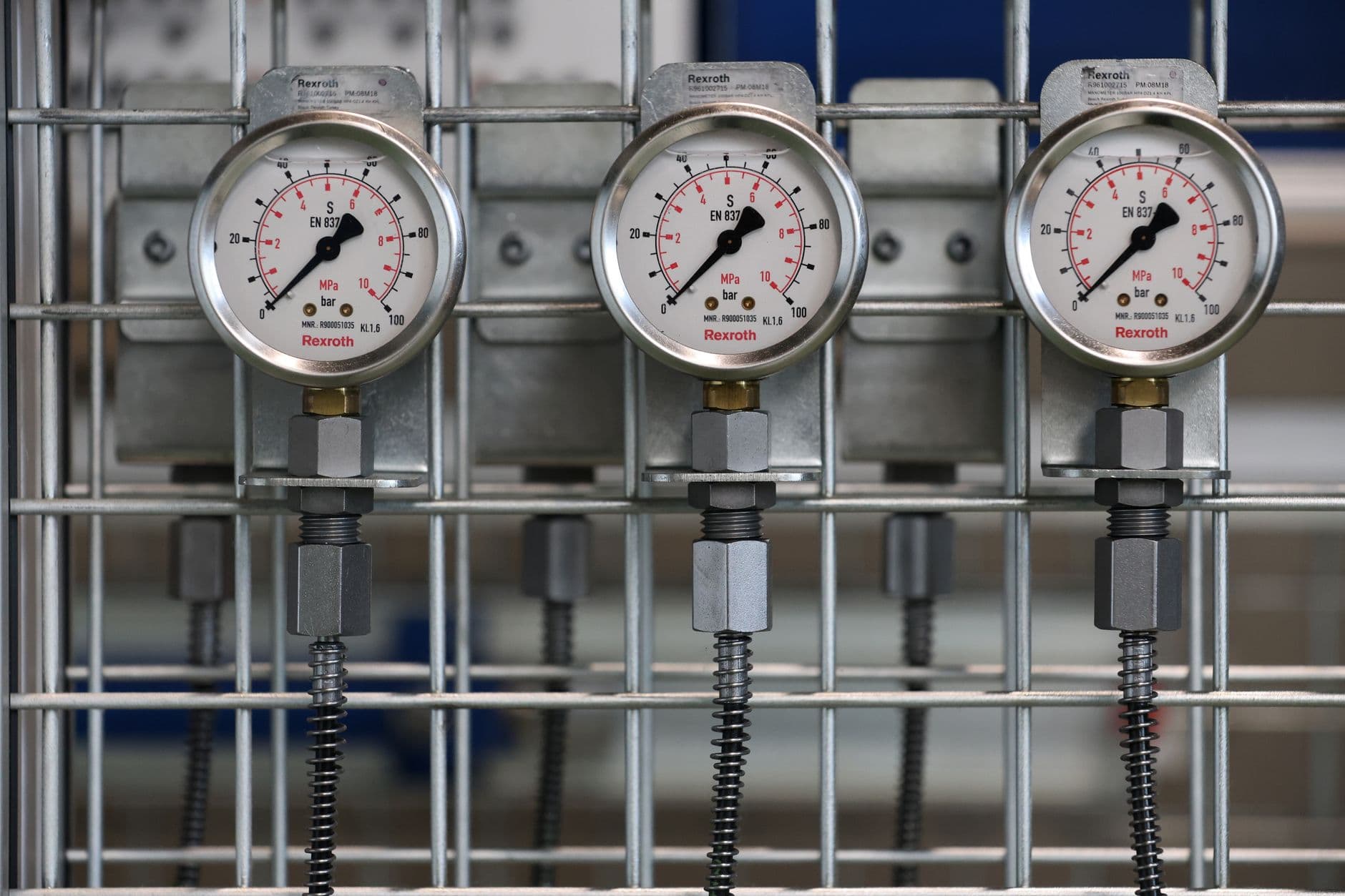
- Sensor and device selection against range, accuracy, power and enclosure requirements.
- Prototype rigs for a pilot site, before committing to a fleet.
- Industrial protocols and gateways that connect existing equipment rather than replacing it.
- Device provisioning, identity and naming from the first unit, so a fleet stays manageable.
03
Connectivity
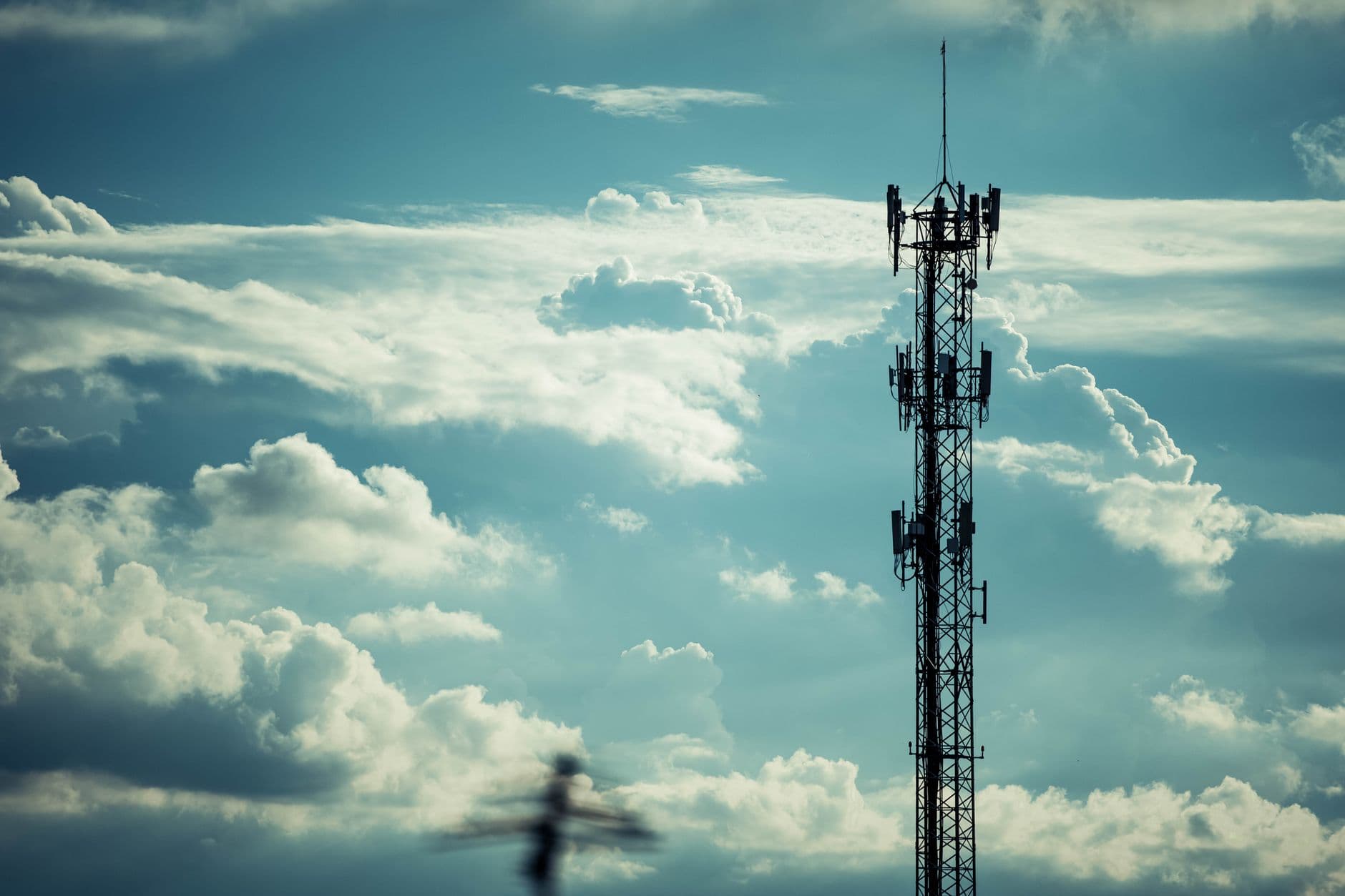
Connectivity is a design decision with cost and reliability attached, so it is settled early. What can reach the network on site, what needs a long-range or cellular path, and what has to buffer locally when the link drops are all answered before the pilot.
- Site network, long-range radio, cellular and satellite options compared against real constraints.
- Store-and-forward buffering, so a link outage does not become a data outage.
- Bandwidth planned from how often a value actually needs to arrive.
04
Edge compute and telemetry
Not every reading needs to travel. Where latency, bandwidth or privacy argue for it, processing runs on the device or the local gateway — filtering, aggregating, and catching a stuck sensor before it pollutes the history.
Telemetry pipelines carry what matters into storage with the schema, timestamps and quality flags that make it analysable later. They also keep a readable history when devices, firmware or gateways change.

05
Dashboards and alerting
Data becomes useful when somebody sees it in time to act. We build the operator view — live state, recent history, trends per asset — and the alerting behind it: thresholds on your own normal ranges, change detection, and anomaly scoring for behaviour nobody has written a rule for.
Alerts are routed the way your operation already works: to a channel, a queue or a response board. The asset, the location and the history travel with the alert.

06
Security and update strategy
Devices in the field are long-lived and reachable, so the plan for them is written before the pilot. Security and updates are designed together with the deployment, not added afterwards.
- Device identity and credentials issued per unit, with rotation and revocation.
- Encrypted transport and least-privilege access to the telemetry store.
- Signed firmware and staged updates, so a bad release cannot take out the fleet.
- An inventory of what is deployed, which firmware it runs and who can reach it.
07
From pilot to rollout
A pilot is a real deployment with a short horizon: one site, a few devices, the measurement that justifies the project, and a decision at the end. Rollout then copies what worked — the device profile, the pipeline, the dashboard, the alert rules — site by site.
Design for one site, prove it there, then scale the pattern rather than the exception.
08
Where it applies
We work with organisations that run physical operations: industry, utilities, logistics, facilities and agriculture. In all of them, equipment, sites and routes are already generating data that nobody is reading yet.
If a question can be answered by measuring something, we can help you decide whether it is worth measuring at all. That answer is part of the research.
Platforms behind this service
Have a site to instrument?
Tell us what you want to know about your equipment or your sites and we will propose a pilot: what to measure, what it takes, and what it will tell you.